Home Buying and Mortgage Articles
The Homebuyer’s Corner
Explore articles covering home buying, mortgage programs, refinancing, down payment assistance, credit guidance, and real estate strategies across California and the San Gabriel Valley.
Browse by Article
More coming soon
More coming soon

Armando Novelo helps California veterans use their VA loan benefit to buy with zero down, no mortgage insurance, and competitive rates. Here is how it actually works in the SGV.

A 2-1 buydown lowers your payment for the first two years and is usually paid by the seller or builder. Here is how it works, what it actually costs, and when it makes sense in the SGV.

If tax returns are not showing your full income, a bank statement loan may be the answer. Here is exactly how 12 and 24-month programs work, how expense factors are calculated, and what lenders look for.

A reverse mortgage lets homeowners 62 and older access equity without a monthly payment. Here is how HECMs actually work, what the risks are, and when it makes sense.

Tariffs are pulling mortgage rates in two directions at once. Here is what is actually happening, why rates have been bouncing around, and what SGV buyers should do about it right now.

Yes. If you have built equity in your home there are several ways to use it to help your children get into homeownership. Here is a light overview of the options worth knowing about.

Yes, but how you access the funds matters more than whether you can. Here is the difference between a 401k loan and a 401k withdrawal, and when each one actually makes sense for a home purchase.

Renting feels safer until you run the actual numbers. Here is a real side-by-side comparison of renting vs buying in the SGV right now, including equity, appreciation, and what rent costs over time.

No. The 20 percent down payment is a myth that has kept more California buyers on the sideline than any other misconception. Here is where it came from and what you actually need.

Inheriting a home with uncooperative tenants does not mean you are stuck. One SGV client sold to an investor, bridged the gap with a conventional loan, and closed both deals the same day.

South El Monte offers up to $57,000 in zero percent deferred down payment assistance through CalHome. Here is how it works, who qualifies, and what buyers most often miss.

Closing costs in California typically run 2 to 3 percent of the loan amount and are separate from the down payment. Here is exactly what they cover and how to plan for them.

Pomona's MAP program offers up to $100,000 in deferred down payment assistance with a 45-year term and built-in equity forgiveness. Here is how it works and who qualifies.

Not as hard as most people think. Here is what the pre-approval process actually involves, what lenders look at, and why hesitation costs buyers more than anything else.

West Covina median sale price hit $865K in June 2026, up 1.8% year over year. Here is what the market looks like by neighborhood, what programs are available, and what buyers need to know.

Azusa offers up to $100,000 in deferred-payment down payment assistance through the CalHome Program. Here is how it works, who qualifies, and what the forgiveness structure means for you.

Mortgage rates are not set by your lender. They come from the bond market, inflation expectations, and investor demand. Here is how it actually works in plain language.

La Puente offers up to $200,000 in down payment assistance through a zero percent deferred loan. Here is how the shared appreciation structure works and who qualifies.

Nothing bad, for most buyers. A pre-approval is not a commitment. Here is what actually happens when you get pre-approved and wait, and when waiting before applying is the smarter move.

Covina home prices are holding near $812K with homes selling in 35 days on average. Here is what that means for buyers, homeowners, and anyone watching the 626 market right now.

West Covina offers closing cost grants of $15,000 to $20,000 for first-time buyers through qualifying new housing developments. Here is how the program works and who qualifies.

A DSCR loan lets investors qualify on rental income, not personal tax returns. Here is how the ratio works, what you need to qualify, and when this program makes sense in California.

People refinance to lower their payment, remove mortgage insurance, access equity, or simplify their loan. Here is how each scenario works and when refinancing actually makes sense.

The five safest cities in the SGV based on 2024 FBI crime data are Sierra Madre, San Marino, Bradbury, Temple City, and Duarte. Here is what the numbers actually show.

Your debt-to-income ratio determines how much home you can qualify for. Here is how lenders calculate it, what the thresholds mean, and how to improve it before you apply.

Lenders look for financial patterns they can trust, not perfection. Here is exactly what gets reviewed, what raises flags, and what you can do about it before you apply

FHA 203k and Fannie Mae HomeStyle loans let you finance the purchase and renovation costs together. Here is how each one works and when a fixer upper actually makes sense.

Yes. California school employees can access CalHFA and GSFA down payment assistance programs specifically designed for educators. Here is how they work and who qualifies.

Most deals don't die because buyers stop qualifying. They die from small, preventable mistakes made after approval. Here is what to watch for and how to keep your deal together.

Yes, self-employed buyers can qualify even with tax write-offs that lower reported income. Here is how bank statement, 1099, and P&L loan programs actually work.

The answer depends mostly on your credit score and how long you plan to keep the loan. Here is the real cost comparison between FHA and conventional with actual numbers.

Between state, county, and city programs, most first-time buyers in the San Gabriel Valley qualify for some form of down payment assistance. Here is how to find out what is available to you.

Yes. California move-up buyers have real options for buying before selling. Here is how a HELOC, bridge loan, and rent-back each work and when each one makes sense.

Starting early does not mean buying sooner. It means keeping your options open. Here is what actually changes when buyers talk to a lender before urgency sets in.

Perfect credit is not required to buy a home in California. Here is what credit scores actually mean for mortgage approval, which programs are most flexible, and what lenders really look at.

Paying points lowers your rate but only makes sense if you keep the loan long enough. Here is the break-even formula, real SGV numbers, and when points make sense right now.

The down payment is not the only money you need ready. Here are the costs first-time buyers in California consistently underestimate and exactly what to budget for each one.
Most buyers can refinance as soon as the math makes sense. Here is how the break-even calculation works, when refinancing is worth it, and when it is not.

A 50-year mortgage was proposed but is not available today. Here is what the payment actually looks like, how much more interest it costs, and what buyers should do instead.

Lenders do not think in annual income. They think in monthly. Here is the formula lenders use, what your DTI actually means, and what income it takes to buy in the SGV right now.

The first week in your new home sets the tone for everything that follows. Here is what to handle right away, what most new homeowners skip, and what actually matters.

No. Grants, silent seconds, shared equity loans, and standard second loans all work differently. Here is how each one works and how to know which structure fits your situation.

No. Student loans do not automatically disqualify you from buying a home. What matters is how the monthly payment is calculated, and that depends on the loan program.

How do multi-unit homes work? Learn the pros, cons, and house hacking strategy that allows you to live in one unit and generate rental income.

Thinking about buying a single family home? Learn the pros, cons, and what most buyers don’t realize about owning and maintaining a home.

Learn about grants, deferred loans, and city programs that are available today.
How do HOAs affect buying a condo in California? Learn how HOA approval impacts your loan, what non-warrantable condos are, and what to check before buying.

Fixed vs adjustable rate mortgage: which is better? Learn how ARMs work today, when a fixed rate makes sense, and how to choose the right loan.

What is HUD-approved homeownership counseling? Learn what these required homebuyer classes cover, why programs require them, and how they help you prepare.

What is home equity and how does it work when you refinance? Learn how LTV, cash-out refinance, and HELOC options affect your strategy as a homeowner.

If there is enough equity in the home, a gift of equity can replace your down payment entirely. Here is how it works, what the lender needs, and what families get wrong.
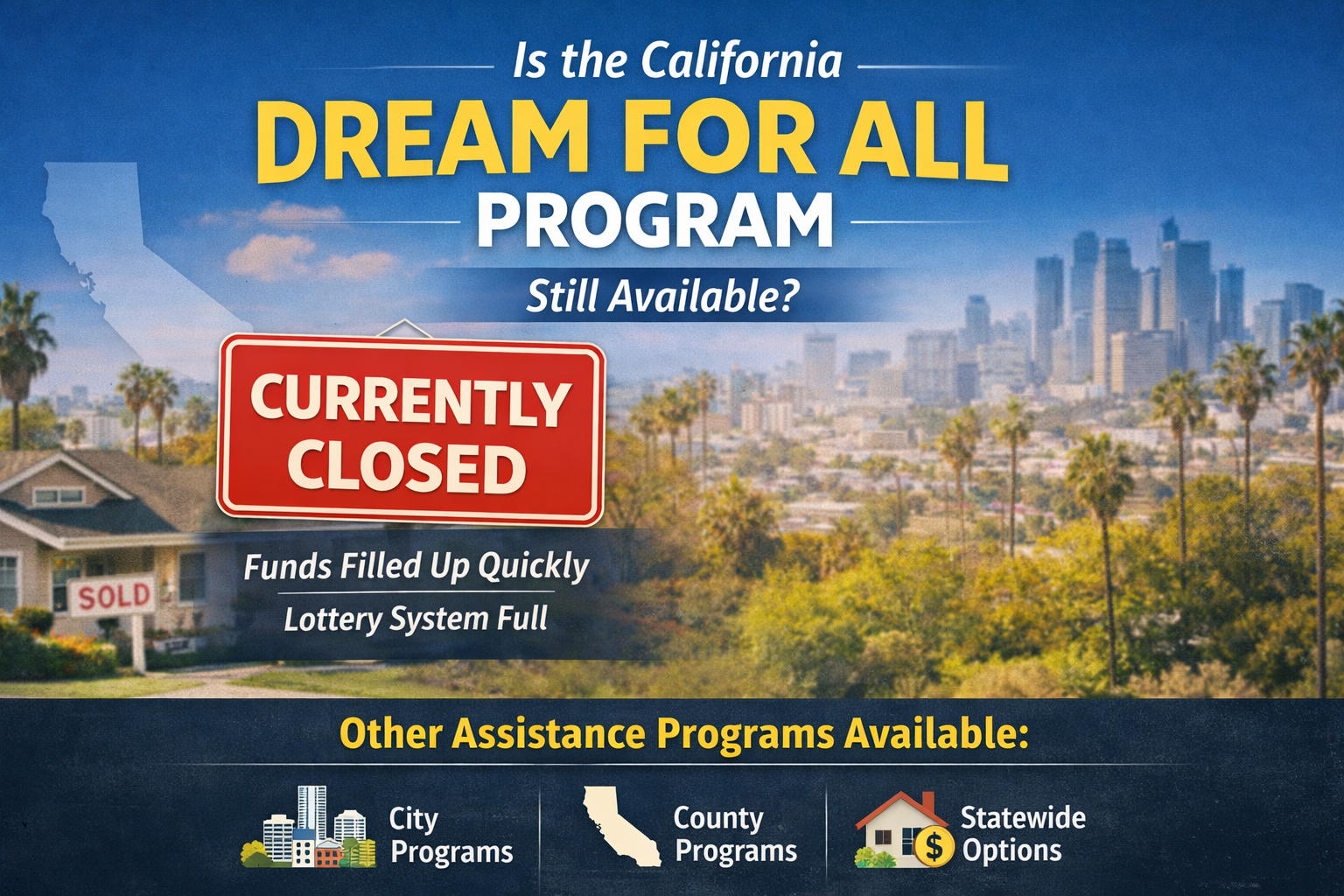
The California Dream For All program is currently closed for 2026. Here is how it works, what the shared appreciation trade-off really means, and what to do while you wait.

Links
Contact
Armando Novelo
NMLS 237243
Super Mortgage Bros
1900 W. Garvey Ave S. #100
West Covina, CA 91790
Phone: (626) 200-1838
I agree to be contacted by Super Mortgage Bros via call, email and text. To opt out, you can reply “stop” at any time or click the unsubscribe link in the emails. Message and date rates may apply.
Message frequency varies
© 2026 Super Mortgage Bros. Super Mortgage Bros. | All Rights Reserved | Licensed by the Department of Financial Protection and Innovation under the California Residential Mortgage Lending Act. Golden Empire Mortgage, Inc. ("GEM") [NMLS ID No. 2427] is a California corporation whose principal business office is located at 1200 Discovery Drive, Ste. 300, Bakersfield, California 93309. GEM is a residential mortgage lender and servicer Licensed by the Department of Financial Protection and Innovation under the California Residential Mortgage Lending Act. under license no. 413-0360. https://www.nmlsconsumeraccess.org