
Buying a House in Covina, CA: A Home Buyer's Guide
Buying a Home in Covina, California
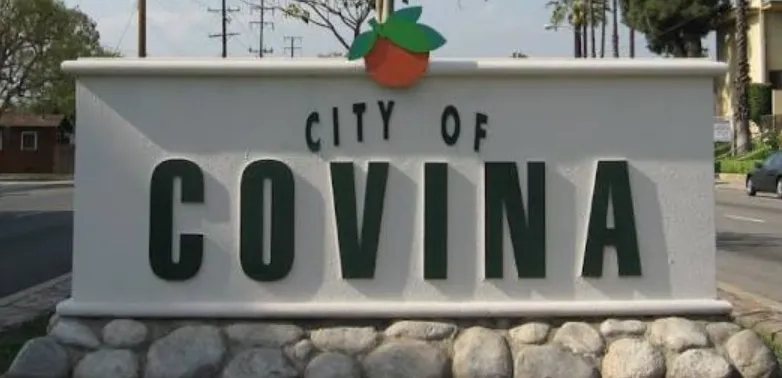
Covina is an established city in Los Angeles County's eastern San Gabriel Valley, known for its historic downtown, residential neighborhoods, local restaurants, and community attractions. Located approximately 22 miles east of Downtown Los Angeles, Covina covers about seven square miles and offers housing options ranging from traditional single-family homes to condominiums and townhomes.
Founded in 1882 and incorporated in 1901, Covina developed around agriculture, transportation, and commerce. Citrus production played a significant role in its early economy, while the historic downtown along Citrus Avenue remains one of the city's most recognizable features.
Unlike some surrounding suburban communities, Covina has retained a traditional downtown district filled with independent businesses, restaurants, shops, and entertainment venues.
If you're considering buying a home in Covina, you'll find that different parts of the city offer distinct residential settings. Properties near Downtown Covina may differ considerably from homes along its northern residential corridors or in the neighboring Charter Oak community.
I'm Armando Novelo, a mortgage loan officer based in neighboring West Covina with Super Mortgage Bros. My team and I help homebuyers throughout Covina and the San Gabriel Valley understand their financing options, explore available homebuyer programs, and prepare for the homebuying process.
My goal is to help you understand not only what it takes to qualify for a mortgage, but also what you should know about the community before making one of life's biggest financial decisions.
Understanding Covina's Housing Market
Covina's housing landscape reflects its evolution from an agricultural settlement into an established suburban city.
You'll find a variety of housing styles throughout the community, including older detached residences, mid-century single-family homes, condominiums, townhomes, and newer attached developments. Property characteristics can vary considerably depending on the neighborhood, construction period, and proximity to commercial corridors.
According to the U.S. Census Bureau's 2020–2024 American Community Survey estimates, approximately 58.8% of occupied housing units in Covina were owner-occupied. The median value of owner-occupied homes during that reporting period was $718,900.
These historical figures provide useful perspective on Covina's housing landscape, but they should not be confused with current listing prices or recent home sales.
When helping buyers evaluate affordability, I encourage them to consider the full cost of owning a property, not simply its purchase price.
Single-family homes may involve individual responsibility for exterior maintenance, roofing, landscaping, and repairs.
Condominiums and townhomes may include homeowners association fees, shared maintenance obligations, insurance arrangements, and financing requirements specific to the development.
Older homes may warrant additional attention to plumbing, electrical systems, roofing, and previously completed improvements.
Understanding these differences can help you prepare for both the initial purchase and the ongoing financial responsibilities of homeownership.
Exploring Covina's Neighborhoods and Residential Areas
Covina's residential areas reflect different periods of development, geographic characteristics, and connections to local amenities.
Some neighborhood names are formally recognized, while others are commonly used geographic descriptions. The following areas can help you begin exploring Covina without assuming that informal neighborhood names represent official boundaries.
Downtown Covina and the Citrus Avenue District

Historic Downtown Covina is centered around Citrus Avenue, particularly the corridor between Badillo Street and San Bernardino Road.
The city identifies this area as the Citrus Avenue District, part of Covina's historic commercial core.
Downtown features older commercial buildings, independent restaurants, local retailers, and the Covina Theater. Residential streets surrounding the district provide access to shopping, entertainment, and public transportation.
The city has also explored mixed-use and transit-oriented development as part of its long-term planning efforts.
If you're considering purchasing a home near Downtown Covina, I recommend looking beyond the property's interior features. Parking arrangements, nearby commercial activity, traffic patterns, and the property's immediate surroundings can all influence your day-to-day experience.
A residence near Citrus Avenue may offer a very different setting from a detached home farther away from downtown activity.
Northern Covina: Residential Streets Near Cypress and San Bernardino Road
Northern Covina includes established residential streets and corridors surrounding Cypress Street, San Bernardino Road, and nearby communities.
The area reflects different periods of suburban development, with homes that can vary in architectural style, lot size, and renovation history.
Residents also have access to local parks, businesses along major commercial streets, and regional transportation connections.
When comparing properties in this area, I encourage buyers to look closely at construction age, previous improvements, maintenance history, and any major systems that may eventually require replacement.
Northern Covina is a broad geographic description rather than a formally designated neighborhood, so the characteristics of individual streets and properties may differ.
Western Covina and the Covina Bowl Area
Western Covina includes residential and commercial corridors around West San Bernardino Road, Badillo Street, and North Rimsdale Avenue.
One of the area's distinctive landmarks is the historic Covina Bowl property.
The city's Covina Bowl Specific Plan provides a framework for redevelopment that incorporates residential and commercial uses while addressing the preservation of the historic bowling alley structure.
This area illustrates how Covina continues to accommodate new housing and redevelopment opportunities within an established community.
If you're considering purchasing a condominium, townhome, or property near a redevelopment area, I recommend researching homeowners association responsibilities, parking, construction characteristics, and surrounding land uses.
Development plans and timelines can change, so the city's official planning resources are the best place to verify current project information.
Charter Oak and the Eastern Covina Area
Charter Oak is a recognizable community associated with the greater Covina area, but there's an important geographic distinction buyers should understand.
Charter Oak includes unincorporated Los Angeles County territory and should not automatically be considered part of the incorporated City of Covina.
Some properties with Covina mailing addresses may receive municipal services through Los Angeles County rather than the City of Covina.
Why does this matter when buying a home?
The property's jurisdiction can affect which agency oversees building permits, zoning requirements, property improvements, and certain public services.
If you're considering purchasing a property near Charter Oak, particularly one where you may want to renovate or build an accessory dwelling unit, I recommend confirming the jurisdiction before moving forward with your plans.
The city's Check Jurisdiction resource can help you determine whether a property falls within Covina city limits or an unincorporated county area.
Capri Deli
A longstanding Covina favorite, Capri Deli has served the community since 1954.
Located on East San Bernardino Road, this family-owned deli is known for its sandwiches, pizza, and Italian-inspired food.
Its decades-long presence makes it a recognizable part of Covina's independent business community.
Historic Downtown Covina
Downtown Covina is one of the city's signature attractions, with restaurants, independent retailers, entertainment venues, and community gathering places along historic Citrus Avenue.
The downtown district provides a different experience from the larger shopping centers found throughout the surrounding San Gabriel Valley.
Visitors can explore restaurants, specialty shops, and locally organized community activities.
Covina Theater
The Covina Theater, formerly known as the Covina Playhouse and Covina Center for the Performing Arts, has roots dating back to 1920.
Located in historic Downtown Covina, the theater has hosted live performances, music, comedy, and other entertainment.
The City of Covina acquired the theater in 2022 as part of efforts to preserve and support the venue.
For information about performances and events, visitors can consult the theater's official website.
Covina Park
Covina Park, located on North Fourth Avenue, is one of the city's primary public recreation destinations.
The city's listed amenities include an aquatic center, athletic facilities, picnic areas, a recreation hall, and walking and exercise spaces.
The park also includes historical murals and facilities connected to Covina's recreational history.
Heritage Plaza Park and the Covina Farmers Market

Heritage Plaza Park is located along North Citrus Avenue in Downtown Covina.
The park features public gathering spaces, a historical walk, and a stage used for community activities.
It's also associated with the Covina Farmers Market, which brings local vendors, food, and community activities into the downtown district.
Market schedules, participating vendors, and activities may change, so visitors should consult the organizers for current information.
Schools, Transportation and Everyday Living
Public School Districts Serving Covina
Covina's educational landscape includes multiple public school district jurisdictions. Because school district boundaries do not necessarily follow city limits, the district serving a particular property may depend on its exact address.
The city's educational resources identify three relevant districts:
-Covina-Valley Unified School District, which operates schools serving portions of Covina and surrounding communities.
-Charter Oak Unified School District, which serves portions of the broader Covina and Charter Oak area.
-Azusa Unified School District, another district referenced in the city's educational resources.
If school assignments are an important part of your home search, I recommend verifying the attendance boundaries directly with the appropriate district before making a purchase decision.
A Covina mailing address does not guarantee enrollment eligibility at a particular school. Boundaries, enrollment requirements, and assignment policies may change.
The California Department of Education also provides useful resources for researching public schools and school districts.
Transportation and Commuting
Covina is located near several major Southern California transportation routes, including Interstate 10, Interstate 210, Interstate 605, and State Route 57.
These freeways provide regional connections throughout the San Gabriel Valley, Los Angeles County, and surrounding areas.
One of Covina's distinctive transportation features is its Metrolink station at 600 North Citrus Avenue.
The station serves the San Bernardino Line, connecting Covina with regional destinations, including Los Angeles Union Station.
Foothill Transit also provides local and regional bus connections.
If you're purchasing a home in Covina and regularly commute to work, I recommend evaluating travel times from the exact property address during your typical commuting hours.
Traffic conditions, transit schedules, and the location of your destination can make a substantial difference.
Covina Chamber of Commerce
The Covina Chamber of Commerce supports the local business community through professional networking, business resources, and community engagement.
The Chamber provides opportunities for business owners, entrepreneurs, and residents to connect with Covina's commercial environment.
Its website includes a business directory and information about community initiatives.
Covina also has a Downtown Merchants Association, which supports businesses and activities within the historic downtown district.
These organizations offer useful resources for anyone interested in learning more about Covina's local business community.
Mortgage Options and Homebuyer Assistance in Covina
Finding the right home is only one part of the purchase process. Understanding how to finance it is equally important.
As a mortgage loan officer, I help buyers explore financing options based on their financial circumstances, homeownership goals, and the properties they're considering.
Depending on your qualifications, several mortgage programs may be worth exploring.
Conventional loans offer financing options for qualifying buyers, with down payment requirements and mortgage insurance obligations varying by program.
FHA loans provide another financing pathway for eligible borrowers, subject to applicable credit, loan-limit, property, and underwriting requirements.
VA loans may offer financing benefits to eligible veterans, service members, and other qualifying borrowers.
The best financing option depends on factors such as your income, credit history, available down payment, financial reserves, and property type.
Down Payment Assistance Programs
Covina directs prospective homebuyers to participating county and state resources through its Special Projects and Homebuyer Programs information.
One resource worth exploring is the Los Angeles County Development Authority's Home Ownership Program, which has provided qualifying first-time buyers with potential down payment and closing cost assistance through a subordinate mortgage.
Covina has been identified among the program's participating cities, although property eligibility, funding availability, and borrower qualifications must be verified.
Buyers may also explore available financing and assistance options through the California Housing Finance Agency (CalHFA).
Some assistance programs involve income limits, homebuyer education requirements, occupancy restrictions, and repayment obligations. Assistance isn't necessarily free money, and certain programs require repayment under specified circumstances.
I encourage buyers to understand how assistance programs work before relying on them as part of their home purchase plans.
Funding, qualifications, participating lenders, and program guidelines can change, so current requirements should always be confirmed with the appropriate program administrator.
Want to learn more about government-backed homebuying programs and potential assistance opportunities? I also offer educational homebuyer workshops where I explain financing strategies, down payment assistance, and steps you can take to prepare for homeownership.
What to Know Before Purchasing a Home in Covina
One detail I encourage buyers to investigate when purchasing in Covina is whether the property actually falls within the city's municipal boundaries.
The city identifies 11 unincorporated Los Angeles County pockets in the broader Covina area.
This means some properties with Covina mailing addresses are governed by Los Angeles County rather than the City of Covina.
The distinction can influence which agency handles building permits, zoning, code enforcement, and certain public services.
Before buying a property, especially one where you're considering renovations or an accessory dwelling unit, I recommend using the city's Check Jurisdiction resource.
There are several other important factors to consider:
- Older homes: Review major building systems, previous renovations, permits, and inspection results.
- Condominiums and townhomes: Examine HOA fees, financial reserves, insurance responsibilities, and potential special assessments.
- Properties near commercial corridors: Consider parking, traffic patterns, and surrounding land uses.
- Accessory dwelling units and additions: Verify zoning requirements, permits, and the appropriate government authority.
I also recommend reviewing the property's complete ownership expenses, including taxes, insurance, maintenance, and any applicable association fees.
A mortgage preapproval can help you understand your financing possibilities, but it doesn't replace property inspections or other due diligence.
Frequently Asked Questions About Buying a Home in Covina
What makes Covina different from nearby San Gabriel Valley cities?
Covina has a historic downtown centered around Citrus Avenue, a performing arts venue, independent restaurants, and a Metrolink station near downtown. These features contribute to the city's character and provide buyers with distinctive local amenities to explore.
Does a Covina mailing address mean the property is inside city limits?
Not necessarily. Some properties with Covina mailing addresses are located within unincorporated Los Angeles County. I recommend confirming the property's jurisdiction before proceeding with major renovations or development plans.
Can I buy a home in Covina with an FHA loan?
Potentially. FHA financing may be available for eligible borrowers purchasing qualifying properties. Approval depends on credit, income, loan limits, property requirements, and underwriting guidelines. I can help you explore whether FHA financing may fit your circumstances.
Does Covina offer down payment assistance?
Covina directs homebuyers to participating county and state assistance programs. Program funding, qualifications, and property requirements vary. I can help you review potential financing options, while the appropriate program administrators determine eligibility and availability.
Which school districts serve Covina?
Covina's official educational resources identify Covina-Valley Unified, Charter Oak Unified, and Azusa Unified. Buyers should verify current district boundaries and school assignments directly with the appropriate district for the specific property address.
Work With Me, Armando Novelo, a Mortgage Loan Officer Serving Covina
Whether you're exploring a home near historic Downtown Covina, comparing properties in the Charter Oak area, or looking into newer residential developments, understanding your financing options is an important part of the process.
I'm Armando Novelo, a mortgage loan officer with Super Mortgage Bros / Golden Empire Mortgage, based in neighboring West Covina and serving homebuyers throughout Covina and the San Gabriel Valley.
My team and I help buyers understand their mortgage options, review financing qualifications, and prepare for the financial responsibilities of purchasing a home.
Whether you're considering conventional, FHA, or VA financing, or exploring potential down payment assistance, my goal is to provide clear information so you can make confident, informed decisions about your next steps.
Important Information
This guide is provided for general educational purposes. Housing prices, property availability, school boundaries, municipal jurisdiction, mortgage guidelines, government programs, business operations, and local conditions may change.
Mortgage financing is subject to borrower qualifications, property eligibility, lender approval, and applicable underwriting requirements.
Down payment assistance programs may involve limited funding, repayment obligations, income restrictions, and additional eligibility requirements.
Buyers should confirm current details with the appropriate city or county agency, school district, program administrator, lender, and qualified professionals before making purchasing or financial decisions.
Official sources and local business websites are hyperlinked throughout this guide to support additional research
Links
Contact
Armando Novelo
NMLS 237243
Super Mortgage Bros
1900 W. Garvey Ave S. #100
West Covina, CA 91790
Phone: (626) 200-1838
I agree to be contacted by Super Mortgage Bros via call, email and text. To opt out, you can reply “stop” at any time or click the unsubscribe link in the emails. Message and data rates may apply.
Message frequency varies
© 2026 Super Mortgage Bros. Super Mortgage Bros. | All Rights Reserved | Licensed by the Department of Financial Protection and Innovation under the California Residential Mortgage Lending Act. Golden Empire Mortgage, Inc. ("GEM") [NMLS ID No. 2427] is a California corporation whose principal business office is located at 1200 Discovery Drive, Ste. 300, Bakersfield, California 93309. GEM is a residential mortgage lender and servicer Licensed by the Department of Financial Protection and Innovation under the California Residential Mortgage Lending Act. under license no. 413-0360. https://www.nmlsconsumeraccess.org